

Introduction
A clean, odor-free kitchen is essential for a healthy home — especially in The Woodlands, Texas, where high humidity, mature trees, and older home layouts can trap moisture and smells. Homes in Grogan’s Mill, Panther Creek, Cochran’s Crossing, Alden Bridge, Sterling Ridge, and nearby areas often struggle with musty cabinets, greasy surfaces, and lingering cooking odors. Many homeowners eventually discover that deep cleaning alone cannot solve long-term moisture or ventilation problems, which is why some turn to expert kitchen remodeling services that improve ventilation, storage design, and easy-to-clean materials.
This 2026 guide walks you through ventilation, odor control, mold prevention, cleaning routines, and smart remodeling upgrades tailored to Woodlands kitchens. If you are already considering larger improvements, you can explore how kitchen remodeling services in The Woodlands, Texas help homeowners upgrade layouts, lighting, and durable surfaces that stay cleaner and fresher over time. Many families also choose to work with experienced remodeling contractors in The Woodlands who understand the challenges older homes face in this climate.
And if you’re exploring real renovation examples before planning your own project, you can see how similar upgrades were completed in nearby communities through these recent kitchen renovation projects in Tomball, Spring, and Conroe. These project galleries highlight how thoughtful layout changes, improved ventilation, and durable materials can dramatically improve kitchen comfort and cleanliness in homes across Montgomery County.

Why Woodlands Kitchens Need Extra Care
The Woodlands’ environment creates a “perfect storm” for kitchen odors and moisture problems:
- High humidity that makes odors, mold, and bacteria grow faster
- Dense tree cover that blocks sunlight and traps moisture around homes
- Older ventilation systems in many 1970s–1990s homes
- Frequent cooking with bold flavors (spices, frying, grilling) that linger in the air
The EPA Indoor Air Quality (IAQ) guidance notes that high humidity and poor ventilation can increase indoor pollutants and lingering odors. For Woodlands homeowners, that means you must manage moisture, airflow, and surfaces more actively than in drier areas.
If your kitchen is older, you’ll also want to read: common kitchen problems in older Woodlands homes and how to maintain older kitchens to avoid costly repairs.
1. Boost Kitchen Ventilation for Odor Control
If smells linger long after you finish cooking, your ventilation is doing only half the job. In humid climates, odors “stick” to surfaces faster — so removing moisture + airborne grease is the fastest win.
For deeper ventilation planning (hood sizing, ducting, makeup air, and humidity protection), see: Kitchen Ventilation 101.
You can see how airflow, moisture-resistant materials, and smart layout planning work together in a real project in this deck, patio, and outdoor kitchen renovation , where ventilation, surface choices, and open-air design naturally reduce odor buildup and moisture problems.
a) Upgrade from Recirculating to Ducted Hoods
Many older homes use recirculating hoods that filter and push air back into the kitchen. A ducted hood vents smoke, steam, and cooking fumes outside — which is far more effective for odor control.
The Home Ventilating Institute explains that range hoods are designed to capture and vent heat, odors, gases, grease, steam, and smoke out of the home — not just move them around.
If ducting is tricky in your home layout, a qualified team can help you plan the route and sealing. If you’re nearby, start with experienced remodeling contractors in Spring, TX for ventilation + kitchen performance upgrades.
b) Clean Filters Every Month
In a humid place like The Woodlands, grease builds up quickly:
- Remove metal hood filters
- Soak in hot water + dish soap + a spoon of baking soda
- Rinse and dry thoroughly before reinstalling
c) Use Cross-Ventilation
After cooking strong-smelling foods (fish, garlic, curries, stir-fries):
- Open a kitchen window and an opposite window or door
- Run the hood fan for 10–15 minutes
d) Manage Moisture in the Air
- Consider a small dehumidifier in open-plan kitchens
- Keep windows slightly open during cooler, dry days when possible
- Ensure HVAC returns and supply vents are not blocked
For an overview of how ventilation fits into overall comfort, the U.S. Department of Energy’s home ventilation guidance explains how spot ventilation (like kitchen hoods) and whole-house systems work together.
2. Deep Clean the Hidden Odor Zones
Most “mysterious” kitchen smells come from a few high-risk spots. Fix these, and your kitchen will smell cleaner even before you deep-clean everything else.
a) Sink & Garbage Disposal
In humid climates, food particles break down faster and start to smell. To freshen:
- Run a handful of ice cubes + rock salt through the disposal
- Follow with lemon or orange peels
- Finish with 1/2 cup baking soda + 1 cup vinegar, then flush with hot water
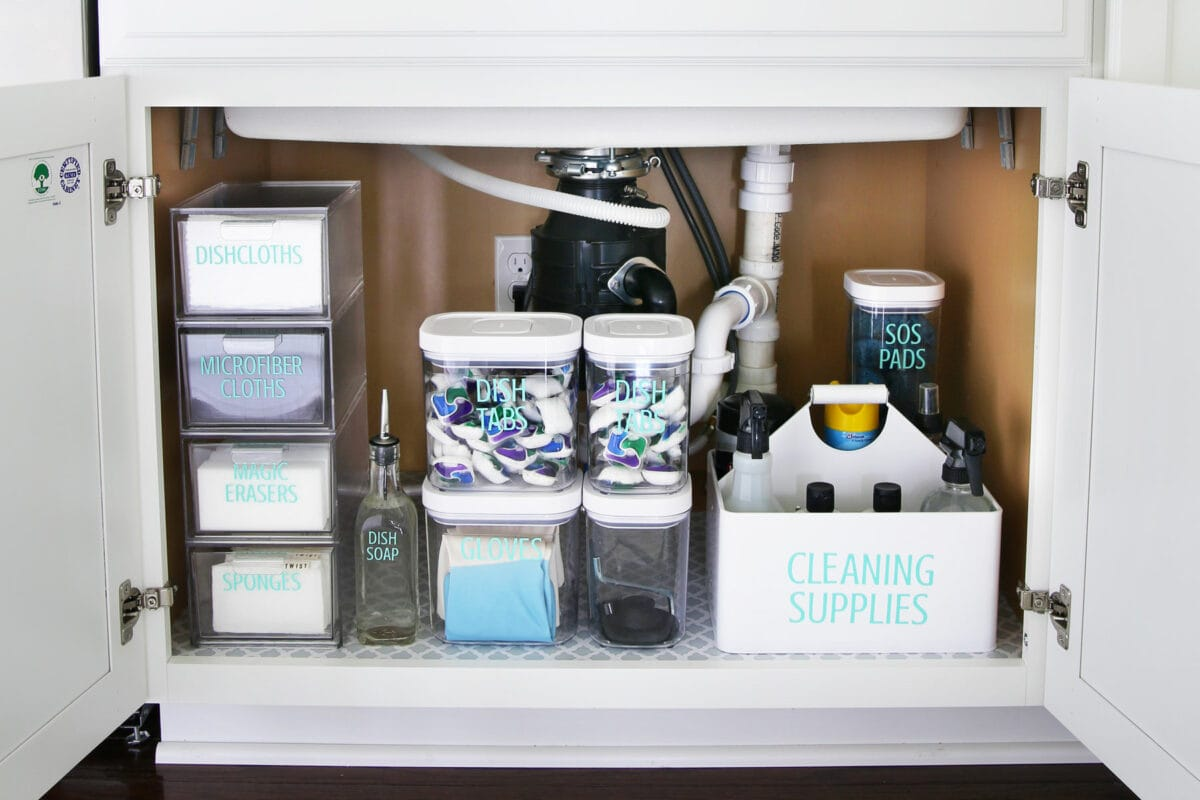
b) Under-Sink Cabinet
This area is high-risk because of plumbing condensation and minor leaks. If you smell “musty” when you open cabinets, do not ignore it.
- Check for soft wood, dark patches, or musty odors
- Use waterproof mats or liners to protect the base
- Keep the cabinet slightly open for airflow if it tends to trap moisture
The CDC’s information on mold and damp buildings explains that moisture from leaks or dampness allows mold to grow on materials and surfaces, contributing to odors and potential health problems.
c) Dishwasher
Even “clean” dishwashers collect grease and sludge. A monthly routine helps:
- Remove and rinse the filter
- Run a hot cycle with a bowl of white vinegar on the top rack
- Follow with a short cycle and a sprinkle of baking soda on the bottom
d) Refrigerator Gaskets & Drip Areas
- Clean door seals with warm water + a bit of baking soda
- Wipe spills under drawers and bins
- Regularly toss expired sauces and containers
If odors keep returning, there may be deeper wear and tear issues in older kitchens. See: how long kitchens last in The Woodlands (2026).
3. Natural Odor Neutralizers That Work in Humid Texas Weather
Instead of masking smells with heavy sprays, focus on odor absorbers that actually reduce odor sources.
The American Lung Association’s overview of indoor air pollutants encourages reducing pollutant sources and improving ventilation rather than relying on strong chemical fragrances.
Great natural options for humid kitchens include:
- Baking soda (open bowl, inside fridge, or in the trash can base)
- Activated charcoal bags (cabinets, pantry, under-sink zone)
- Used coffee grounds (strong food odors)
- White vinegar bowls after frying or grilling
- Lemon or eucalyptus essential oils (light use + airflow)
In humid climates, pairing odor absorbers with ventilation is the best combination.
4. Keep Surfaces Grease-Free (Humidity Makes Grease Stick)
Moist air acts like glue for grease particles — especially on cabinets and backsplashes near the stove. If your cabinets feel “sticky,” it’s usually a grease + humidity film.
For more “avoid-this” cleaning habits, see: 20 kitchen cleaning mistakes (and what to do instead).
Simple, Effective Cleaning Mixes
- Everyday spray: 50/50 vinegar + water (avoid on natural stone)
- Grease cutter: warm water + a few drops of dish soap
- Stain remover: baking soda paste (baking soda + a little water)
- Grout refresher: hydrogen peroxide applied with a cloth or soft brush
Cleaning Frequency
Daily
- Wipe stove, counters, and sink
- Spot-clean backsplash splatters
- Clean microwave handle and control panel
Weekly
- Wipe cabinet doors near cooking areas
- Clean microwave interior
- Sweep and mop kitchen floor
Monthly
- Wipe walls and backsplash near cooking zones
- Clean oven and hood exterior surfaces
5. Stop Trash & Food Waste from Stinking Up the Kitchen
Texas heat and humidity accelerate bacterial growth on food waste — and that quickly turns into odor.
FoodSafety.gov’s “4 Steps to Food Safety” explains why safe temperature control matters (and why waste/leftovers should be handled quickly).
Practical Routine
- Take out trash daily after meat or seafood
- Rinse bins weekly with hot water + soap or vinegar
- Sprinkle baking soda in the bottom of the bin
- Use sealed lids for indoor bins and compost containers
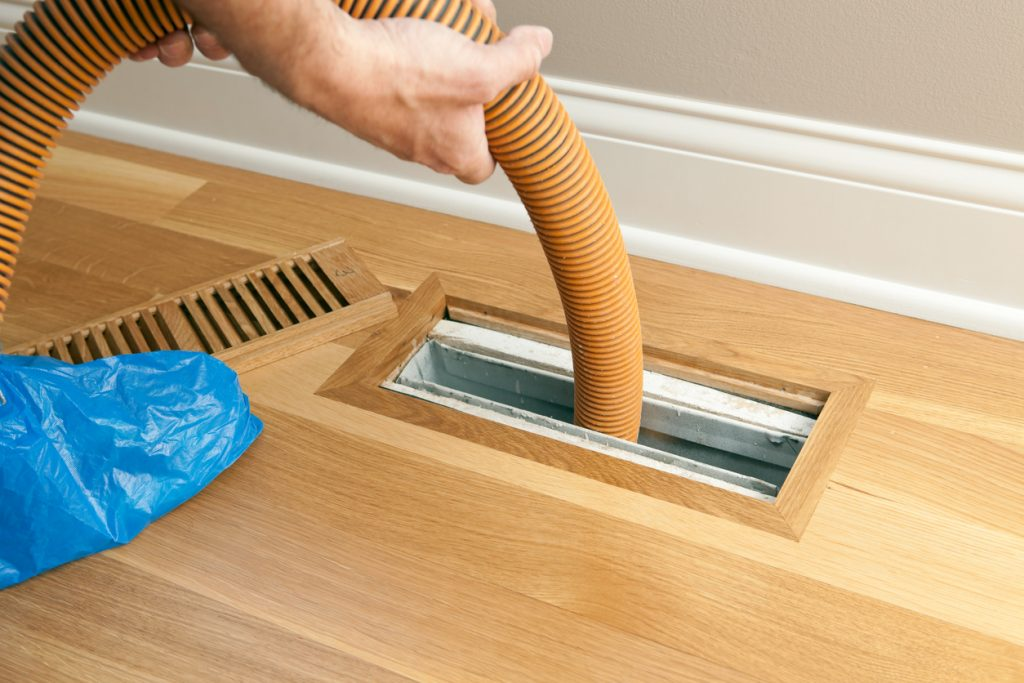
6. Clean Airflow Points (Vents, Fans & Ducted Areas)
Vents, returns, and fans collect dust, grease, and pollen, then re-circulate stale odors if they are never cleaned.
Every 3–6 months, clean:
- Ceiling fan blades near the kitchen
- HVAC supply/return vents near cooking areas
- Exterior hood exhaust cover (if accessible)
7. Mold & Mildew Prevention in The Woodlands
Because of humidity and heavy AC usage, Woodlands kitchens are prone to moisture pockets where mold can grow.
Key Prevention Habits
- Fix small leaks under sinks, dishwashers, and fridge lines quickly
- Run the range hood while boiling, frying, or steaming
- Keep pantry and cabinets dry; avoid overcrowding shelves
- Wipe condensation from windows and glass doors
If your kitchen has persistent humidity wear, see: why kitchens wear out faster in humid climate (and how to prevent it).
8. Weekly, Monthly & Seasonal Cleaning Checklist (2026 Routine)
A simple checklist keeps everything under control and turns “deep cleaning” into regular maintenance.
✔ Weekly Tasks
- Wipe counters, stove, and backsplash
- Clean sink and disposal
- Empty trash and rinse the bin if needed
- Clean microwave interior and handle
- Sweep and mop floors
✔ Monthly Tasks
- Deep-clean dishwasher (filter + vinegar + baking soda)
- Clean range hood filters
- Wipe pantry shelves and remove old items
- Clean fridge gaskets and shelves
✔ Seasonal Tasks (3–4x/year)
- Pull out stove and fridge to clean behind/underneath
- Wipe walls and ceiling near cooking zones
- Inspect under-sink plumbing and dishwasher hoses
- Replace/recharge charcoal deodorizer bags
9. Remodel Upgrades That Make Kitchens Easier to Keep Clean
If your kitchen is dated, certain materials and layouts naturally reduce odors and maintenance. These upgrades are especially useful in humid Texas homes.
Low-maintenance upgrades that actually help
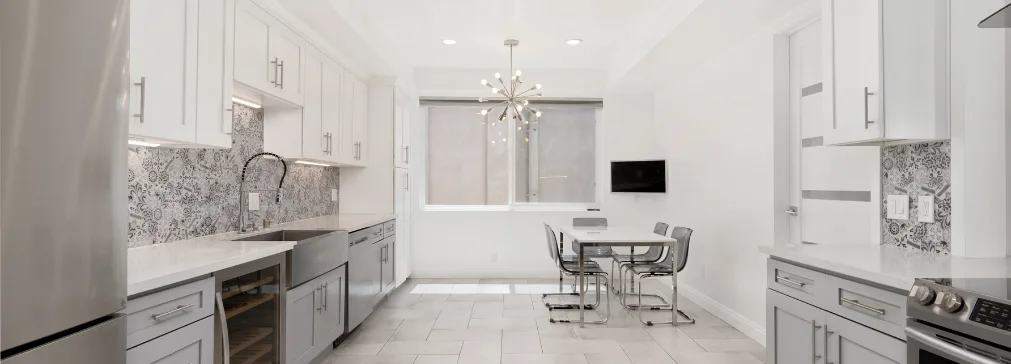
- Quartz countertops – non-porous, stain-resistant, easy to wipe clean
- Large-format tile – fewer grout lines to trap grease and odors
- Undermount sink – no exposed rim for grime to collect
- Trash/recycling pull-outs – hides odor sources and keeps bins off the floor
- Ducted range hood – vents odors outdoors instead of recirculating
- Moisture-resistant cabinet boxes + finishes – reduces musty cabinet smells
If you are comparing countertop durability and easy-clean performance, see: Quartz vs. Granite vs. Porcelain countertops.
If cabinet odors and moisture keep coming back, also read: kitchen cabinet durability (lifespan + moisture protection).
Planning a remodel? These two guides help you avoid scope creep: kitchen remodel timeline and kitchen remodeling cost.
Ready for long-term, easy-clean solutions? Start here: kitchen remodeling services or (for surrounding areas) kitchen remodel planning in Conroe, TX.
Final Thoughts
A clean, fresh, odor-free kitchen isn’t just about looks — it’s about health, comfort, and long-term home value. In The Woodlands, where humidity and older ventilation systems work against you, you have to be a little more intentional.
By improving ventilation, tackling hidden odor zones, preventing moisture, and following a simple weekly/monthly routine, you can keep your kitchen consistently fresh — not just temporarily clean after an occasional deep scrub.
When you are ready to go beyond cleaning and into lasting upgrades, you can request a free kitchen remodeling estimate or contact our team. Prefer to start with real feedback? Here’s where homeowners check ratings for trusted remodelers near you: reviews for top-rated remodeling contractors.
Choosing the right contractor matters. Reach out to Remodeling contractors The Woodlands & nearby areas like Spring, Conroe, Tomball, and Magnolia.