

Introduction
Planning a home remodel in The Woodlands? Before you pick out finishes, it helps to understand permitting, inspections, and neighborhood architectural standards in Montgomery County. Getting the paperwork right early can prevent stop-work orders, protect your resale value, and keep timelines predictable, especially for bigger projects like a home addition in The Woodlands. Learn more about the process and our services here: Home Remodeling Services in The Woodlands.
Understanding these key elements can save you time, money, and headaches in the long run. To get a sense of what a well-executed remodel looks like in this area, take a look at our The Woodlands Residence project and our Imperial Oaks Home Remodel both are great examples of what thoughtful planning and proper permitting can achieve. For professional assistance with your home remodel, discover more about our expert remodeling services here: Home Remodeling Services.
Every successful remodel in this region starts with knowing which approvals are needed and in what order. The Woodlands sits within Montgomery County, which means your project may be subject to county-level building codes, township regulations, and HOA architectural guidelines sometimes all at once. Navigating these layers early is the difference between a smooth build and one plagued by delays, re-inspections, or costly revisions. Many homeowners underestimate how much overlap there can be between county permitting requirements and HOA approval workflows, which is why having a knowledgeable contractor on your side from day one is so valuable.
The Woodlands is one of the most well-planned master communities in Texas, and that planning extends into how renovations are regulated. Whether you're refreshing a single bathroom, converting your garage, adding a second story, or fully reimagining your floor plan, the rules that govern your project will depend on your specific village, lot size, and the scope of work involved. If you're looking for experienced local professionals to guide your project from start to finish, explore our remodeling contractors in The Woodlands, Texas.
Why Permits Matter
Permits aren't just paperwork they help ensure your remodel meets minimum safety and code requirements for:
- Structural integrity (load-bearing walls, beams, additions, framing)
- Electrical safety (panel changes, new circuits, lighting runs)
- Plumbing protection (relocations, drain/vent modifications, new fixtures)
- Mechanical performance (HVAC sizing, ventilation, duct changes)
Skipping permits can lead to failed inspections, fines, forced tear-outs, or complications during a sale. For more on building materials and safety regulations, visit the EPA guidelines on building materials.
Common Permits for The Woodlands Remodels
Depending on scope, you may need one or more permits. Here are the most common categories homeowners run into:
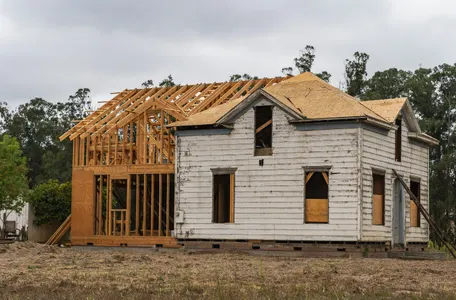
- Structural / addition permits for room expansions, conversions, and many sunroom projects
- Electrical permits for panel upgrades, rewiring, major fixture relocations, and new circuits
- Plumbing permits for moving supply/drain lines (common in bathroom remodels)
- HVAC / mechanical permits for new equipment, duct changes, and ventilation upgrades
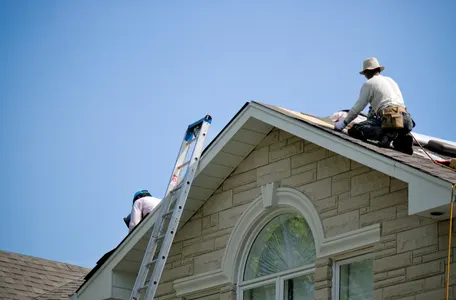
- Exterior permits for roofing, some siding changes, and major envelope work—see siding choices for humid climates
A simple rule: if you're changing structure, systems, or the exterior envelope, assume permitting may apply. For addition-specific rules and lot requirements, read permits & zoning for home additions in Montgomery County.
For official requirements, forms, and inspection information, verify details through Montgomery County's permitting/building resources (government sites) before you begin.
HOA Considerations in Master-Planned Communities
Many Woodlands neighborhoods have architectural guidelines and approval workflows that sit in addition to county requirements. Even if something is "code-compliant," it can still be rejected if it doesn't match community standards.
- Exterior paint, siding, trim, and material selections
- Fence styles, heights, and placement rules
- Patios, covered structures, outdoor kitchens, and visible additions
- Landscaping changes that impact drainage or street-facing appearance
Pro tip: submit HOA requests early and keep approvals saved with your permit paperwork. If you're planning exterior updates, this pairs well with curb appeal upgrades in The Woodlands and top exterior remodeling trends.

Understanding Inspections
Inspections confirm that work matches approved plans and applicable codes. You'll typically see:
- Rough-in inspections (framing, electrical, plumbing, mechanical before walls close up)
- Drywall / insulation checks where applicable
- Final inspection to close permits and document completion
This is where experienced planning pays off. A clean timeline (and fewer surprise re-inspections) often comes from clear scope and sequencing—use this kitchen remodel timeline as a model even if you're renovating a different area of the home.
Tips for Smooth Permitting in The Woodlands
To reduce delays and keep inspections on track, follow these practical steps:
- Define scope clearly (structural vs. cosmetic) so you apply for the right permits
- Start HOA approvals early for anything visible from the street
- Keep documents organized (plans, approvals, receipts, inspection reports)
- Plan for lead times (plan reviews, scheduling windows, material delays)
- Use licensed pros for systems work and code-sensitive upgrades
For more on energy-efficient materials and sustainable construction practices, visit the U.S. Department of Energy guidelines on sustainable materials.
If your project includes an addition, also review how long a home addition takes in Texas so your permitting and inspection windows are built into your schedule—not added after the fact.
Permit Costs & Timeline: What to Budget
One of the most common questions homeowners ask is: how much do permits cost, and how long do they take? While fees vary depending on project scope and valuation, understanding the general range helps you build a realistic budget from the start.
In Montgomery County, permit fees are typically calculated as a percentage of the total project value or as a flat fee based on project type. Minor permits for electrical or plumbing work may be a few hundred dollars, while a full addition or structural remodel can run into the thousands. Always ask your contractor to include permit fees in their estimate—these are real project costs, not surprises.
As for timeline, plan review for straightforward projects often takes one to three weeks. More complex additions or projects requiring engineering drawings can take longer, especially during busy construction seasons. Factor in HOA review time on top of county review, as these run concurrently but require separate submissions.
- Simple permits (electrical, plumbing, mechanical): 1–2 weeks review time
- Structural / addition permits: 2–4 weeks or more depending on plan complexity
- HOA architectural review: 1–4 weeks depending on your village and scope
Building these windows into your project schedule from day one—rather than treating them as a formality—keeps your contractor available and your timeline on track.
Working With a Contractor Who Knows Local Regulations
One of the most effective ways to simplify the permitting process in The Woodlands is to work with a contractor who has direct experience navigating Montgomery County's requirements. Local knowledge matters—an experienced remodeling contractor will know which projects need permits, how to prepare submittals that pass plan review the first time, and how to coordinate inspection scheduling without creating gaps in the construction timeline.
Ask prospective contractors how they handle permitting on similar projects. A contractor who pulls permits as a routine part of their process—and who maintains relationships with local inspectors—is a strong indicator of professionalism. Conversely, a contractor who suggests skipping permits to save time or money is a red flag worth taking seriously.
Licensed contractors in Texas are required to carry general liability insurance and, for certain trades, hold specific state licenses. Verifying these credentials before signing a contract protects you from liability if something goes wrong on the job site. Your contractor should be able to provide proof of licensing and insurance upfront without hesitation.
Explore our remodeling contractors in The Woodlands to work with a team that handles permitting, inspections, and HOA coordination as part of every project—so you don't have to manage it on your own.
Final Thoughts
Remodeling in The Woodlands is smoother when you plan for permits, inspections, and neighborhood approvals from the start. The goal is simple: a safe, compliant upgrade that protects your investment and avoids last-minute delays.
Whether you're doing a focused renovation or a larger expansion, use this guide as your foundation—and keep learning with The Woodlands Home Remodeling Guide and our addition-specific resource on permits & zoning in Montgomery County.
Looking for a remodeling contractor in Montgomery County Woodlands for planning, reach out to our remodeling company in The Woodlands
Choosing the right contractor matters. Reach out to Remodeling contractors The Woodlands & nearby areas like Spring, Conroe, Tomball, and Magnolia.