

Introduction
A home can look premium and still feel uncomfortable: too dark in the morning, glare on the TV by evening, one room always hotter than the others, or echoes that make an open-plan living area feel loud. These problems aren’t small — they shape how people feel inside the space every single day. Learn more about creating a more comfortable, balanced home with professional remodeling services here: Home Remodeling Services in The Woodlands.
Designing healthier interior spaces goes beyond aesthetics—it about creating environments that enhance comfort, maximize daylight, and offer beautiful views. By carefully considering lighting, layout, and airflow, you can transform your home into a sanctuary that supports both your well-being and lifestyle. Explore more on how to create the perfect balance in your home with our Home Remodeling Services. .
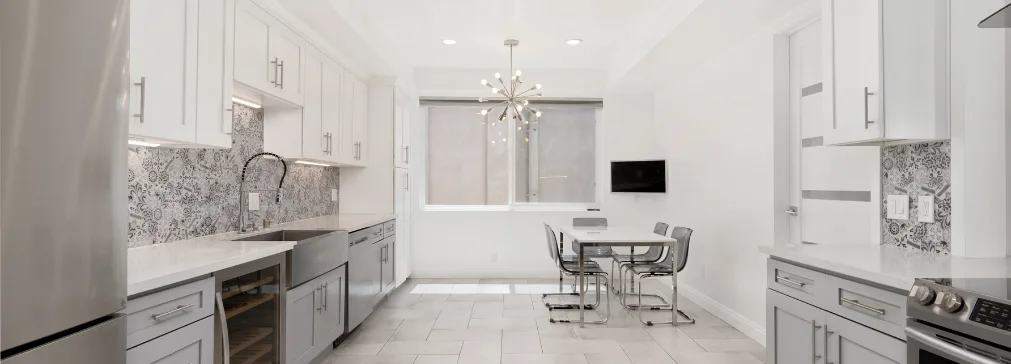
Designing healthier interiors is about making your home work better for real life. The most effective remodels improve three comfort drivers that impact your daily experience immediately: daylight (usable natural light without glare), views (visual openness and connection), and comfort (thermal balance, acoustics, and lighting quality).
If you’re planning interior changes in The Woodlands, start here: interior remodeling services in The Woodlands, Texas. Many comfort issues (glare, hot spots, echo) are solved best when they’re planned with layout and finish decisions — not after.
Why Daylight, Views & Comfort Matter
“Healthier interiors” isn’t a buzzword. It means your rooms support focus during the day, calmer evenings, more consistent temperatures, fewer glare-driven headaches, and better overall livability.
In remodeling, these three factors often deliver the biggest day-to-day “feel” upgrade: usable daylight, intentional views, and comfort you can control. When they’re designed properly, the home doesn’t just look good — it lives well.
Comfort is not one thing. It’s a combination of light quality, temperature balance, sound control, and how easily you can adjust the space as conditions change (morning vs evening, summer vs winter, weekdays vs weekends). If your layout is changing too, you’ll also want to read Open Concept vs Defined Spaces — it’s one of the most common reasons homeowners end up with echo and glare after a remodel.
Daylight Strategy: Get More Natural Light (Without Glare)
Many remodels chase bigger windows, but the real goal isn’t “more sunlight.” The goal is better daylight quality — bright enough to reduce daytime lighting needs, but controlled enough to prevent glare and overheating.
For additional room-by-room ideas (without overexposing the space), see Maximizing Natural Light: Remodeling Tips for Homes in The Woodlands.
What good daylight feels like
- Bright rooms without harsh sun patches
- Even light distribution across the space
- Minimal screen glare on TVs and workstations
- Natural color rendering on walls, flooring, and décor
Practical ways to improve daylight
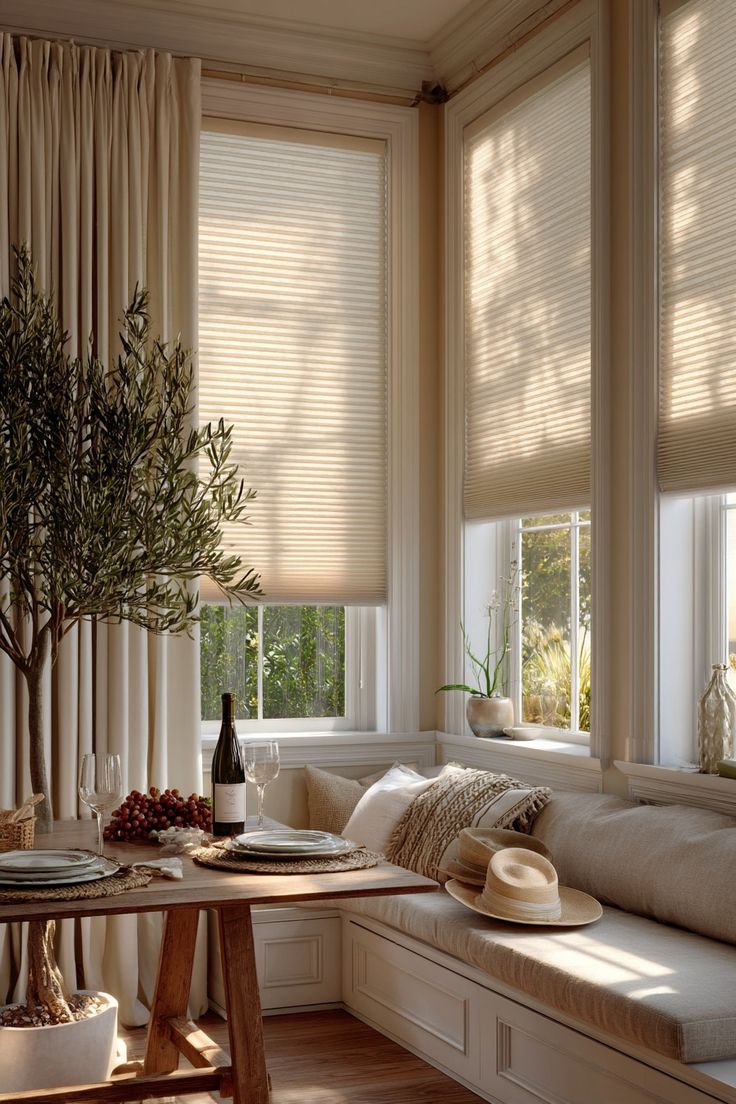
- Layered window treatments: sheers for diffusion + blackout/lined drapery for harsh hours
- Exterior shading: overhangs, awnings, pergolas, or solar screens (especially for west exposure)
- High window placement: light spreads deeper when it enters higher
- Light-reflective surfaces: balanced wall tones and lighter ceilings bounce light gently
- Smarter finishes: reduce high-gloss where direct sunlight hits hard
If you want a standards-based framework for lighting and visual comfort, the Illuminating Engineering Society (IES) is a widely recognized authority for lighting best practices.
Windows, Skylights & Glass Doors: Smart Upgrades
Upgrading glazing can improve daylight and comfort — but only if it’s planned with orientation, glare, and heat gain in mind. The “best” window is the one that matches how the room is used and where the sun hits.
Smart upgrade options
- High-performance glazing to manage heat and UV while keeping rooms bright
- Operable windows in the right spots to support cross-ventilation
- Clerestory windows to bring in light deeper without sacrificing privacy
- Skylights / solar tubes for interior zones that never get daylight (hallways, closets, interior baths)
- Multi-panel glass doors to improve indoor–outdoor connection (when shading and privacy are handled)
For homeowner-friendly guidance on comfort upgrades and how the building envelope affects temperature, the U.S. Department of Energy’s Energy Saver resources are a reliable reference.
If you’re pairing new windows/doors with broader upgrades, our team often plans these choices alongside layout and finish work in interior remodeling so daylight, privacy, and comfort work together.
Designing Better Views & Sightlines
“Views” aren’t only about scenic landscapes. Even in suburban neighborhoods, views matter because they create visual depth, openness, and a stronger indoor–outdoor connection that many homeowners describe as “calming.”
How to improve views without changing window size
- Don’t block key sightlines with tall furniture near windows
- Keep window walls cleaner and visually lighter
- Use interior glass selectively (where privacy allows) to borrow light
- Widen openings between rooms to increase visual flow
- Create a focal point if the outside view is limited (landscaped corner, feature wall, art wall)
The goal is not “open everything.” The goal is intentional openness — so spaces feel breathable without sacrificing comfort, privacy, or function.
Layered Lighting That Feels Natural at Night
Daylight is only half the story. At night, lighting controls the mood, comfort, and usability of a home. The biggest mistake is relying on a single bright overhead light in each room.
The 3 layers of lighting
- Ambient: general room light (recessed, ceiling fixtures, indirect lighting)
- Task: focused light for work zones (kitchen counters, reading chairs, vanities, desks)
- Accent: visual warmth and depth (wall washers, art lighting, shelf lighting)
Simple upgrades that make a huge difference
- Add dimmers in living rooms, dining rooms, bedrooms, and hallways
- Use under-cabinet lighting in kitchens to reduce shadows
- Plan bedside lighting so you can move safely without blasting overheads
- Include night lighting in hallways/baths for safer late-night movement
In kitchens, layered lighting works best when paired with ventilation + easy-clean surfaces — if you want the “why” behind that, read Kitchen Ventilation 101: Prevent Grease & Moisture Damage.
Layered lighting makes rooms feel more natural because it mimics how daylight behaves — soft, distributed, and adjustable.
Thermal Comfort: Stop Hot/Cold Rooms
If one room is always hotter or colder than the others, it’s usually not “just the HVAC.” It’s often a combination of sun exposure, air leakage, insulation gaps, duct issues, or layout changes after remodeling.
Start with the envelope (the home’s shell)
- Air sealing to reduce drafts and humidity intrusion
- Insulation upgrades where heat gain/loss is strongest (attic, exterior walls, rim joists)
- Shading strategies for west- and south-facing glass
- Ceiling fans to improve perceived comfort without overcooling
Then tune the system
- Balance airflow (dampers, registers, return air paths)
- Upgrade thermostats/zoning where appropriate
- Consider dehumidification in humid seasons for better comfort at higher setpoints
For home comfort and energy guidance used by many homeowners, see ENERGY STAR.
In The Woodlands and surrounding areas, humidity can magnify comfort problems — especially when materials aren’t chosen well. Read Choosing the Right Materials for Humid Texas Weather before finalizing finishes.
Acoustic Comfort: Quieter, Calmer Interiors
Echo and noise bleed are the downside of many open plans and hard-surface upgrades. Acoustic comfort is about making the home feel calmer — conversations are easier, TV volumes drop, and the space feels less “busy.”
Fast, high-impact acoustic upgrades
- Add area rugs and runners in large hard-surface rooms
- Use upholstered furniture and soft textiles to reduce reflections
- Choose solid-core doors for offices/bedrooms to reduce sound transfer
- Use drapery strategically (it softens sound and controls daylight)
- Consider acoustic panels in problem zones (media walls, tall open rooms)
The goal isn’t silence — it’s comfort. A well-designed interior sounds as good as it looks.
Privacy, Shading & Control (Blinds, Films, Drapery)
Comfort improves dramatically when homeowners can control daylight and privacy instantly. The best solution is usually not one product — it’s a layered approach.
Best practice: layer your controls
- Sheers for daytime diffusion (bright rooms, softer light)
- Light-filtering shades for flexible glare control
- Blackout for bedrooms or media rooms
- Drapery to soften acoustics and create warmth
- Exterior shading for heavy sun exposures
Window films can help in targeted situations, but they can also change how glass looks and performs. We typically evaluate orientation, usage, and aesthetic expectations before recommending film vs shading.
Materials & Finishes That Support Healthier Indoor Spaces
Healthier interiors are also about what you bring into the space: finishes, adhesives, paints, cabinetry materials, and how well you ventilate during and after the remodel.
Selection habits that help
- Prefer lower-odor, lower-emission options for paints/adhesives where possible
- Plan ventilation during and after remodel work
- Choose durable, cleanable surfaces in high-traffic zones to keep rooms feeling fresh
- Avoid overusing high-gloss where sun glare is strong
If you want a deeper “systems approach” to healthier interiors (IAQ + materials + moisture), this is a helpful companion read: Sustainable Interiors Playbook: Water, Energy, Materials & IAQ.
For a solid indoor air quality baseline and homeowner guidance, the EPA’s resources are widely referenced: EPA Indoor Air Quality (IAQ).
Final Thoughts
Daylight, views, and comfort are not extras — they are the foundation of interiors that feel healthy and enjoyable. When daylight is soft and usable, views are intentional, and comfort is designed across temperature, sound, and lighting, the home becomes easier to live in — morning to night, season after season.
If you’re remodeling, treat daylight and comfort like core design requirements alongside layout and finishes. The result is an interior that performs better in the only way that matters: it feels right every day.
If you want a local team to plan these details with you, explore interior remodeling in The Woodlands, TX (and if kitchens or baths are part of the scope, start here: kitchen remodeling or bathroom remodeling).
If you want to improve daylight, sightlines, and comfort through smart layout choices, reach out to Select Remodeling & Construction in The Woodlands .
Choosing the right contractor matters. Reach out to Remodeling contractors The Woodlands & nearby areas like Spring, Conroe, Tomball, and Magnolia.