

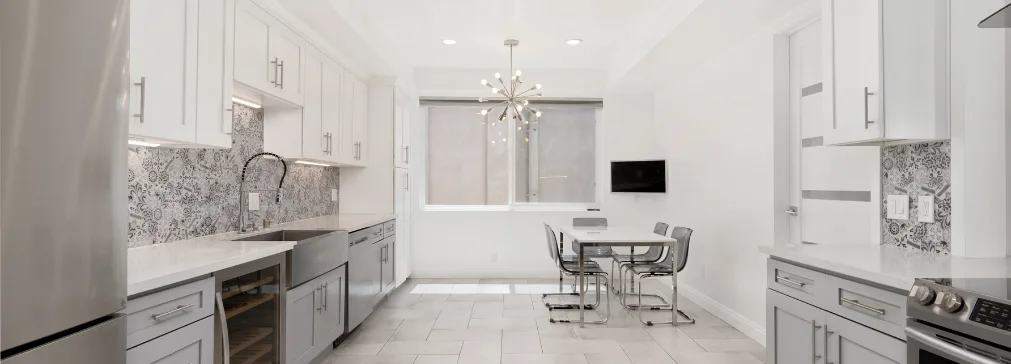
Introduction
If you comparing custom cabinets vs stock cabinets vs semi-custom cabinets, you already at a decision point that affects how your kitchen (or bath) will function for years. In Montgomery County—whether you’re in The Woodlands, Spring, Conroe, Magnolia, Tomball, or Klein—humidity, daily use, and plumbing exposure make cabinet quality matter more than most homeowners expect. Learn more about home remodeling services here: Home Remodeling Services and discover our professional services in The Woodlands here: Home Remodeling Services in The Woodlands. This guide breaks down the real differences between stock, semi-custom, and custom cabinetry, explains where each option works best, and helps you choose without overspending—or underbuilding—for a Texas home.
Many homeowners start by understanding how cabinetry is designed and installed through custom cabinet services , then compare cabinet types based on durability, layout, and long-term value.
If moisture and lifespan are your biggest concerns, pair this article with: kitchen cabinet durability in The Woodlands.
The Three Cabinet Types (At a Glance)
Before diving deeper, here's a practical overview:
| Cabinet Type | Best For | Biggest Limitation |
|---|---|---|
| Stock Cabinets | Tight budgets, rentals, quick refresh | Fixed sizes, weaker durability, more wasted space |
| Semi-Custom Cabinets | Mid-range upgrades, standard-ish layouts | Limited sizing flexibility, still needs fillers |
| Custom Cabinets | Long-term homes, premium fit & function | Higher upfront investment |
The “best” choice depends on layout fit, humidity exposure, storage needs, and how long you plan to stay in your home.
Stock Cabinets: Lowest Cost, Highest Compromise
What Stock Cabinets Are
Stock cabinets are mass-produced in standard sizes and finishes. They're widely available and can be installed quickly. However, they may not be as durable, especially in humid climates. For more information on how materials perform in varying environmental conditions, check out the U.S. Department of Energy guidelines on **Energy-Efficient Building Materials**: U.S. Department of Energy – Building Materials.
When Stock Cabinets Make Sense
- Budget-focused projects
- Rental properties
- Short-term updates before a future remodel
- Very simple layouts with standard dimensions
Where Stock Cabinets Fall Short
- Fixed widths/heights (often prevents ceiling-height storage)
- Filler panels instead of usable storage
- Lower-grade materials and finishes (varies by line)
- Shorter lifespan in humid areas (sink base, dishwasher, exterior walls)
In Southeast Texas, stock cabinets often show wear faster in high-moisture zones. If your home has already had cabinet swelling, peeling, or soft spots, review: cabinet lifespan and moisture protection.
Semi-Custom Cabinets: Middle Ground with Limits
What Semi-Custom Cabinets Are
Semi-custom cabinets offer limited size adjustments, finish choices, and storage options—but still rely on pre-set manufacturing systems.
When Semi-Custom Works Well
- Mid-range kitchen updates
- Homes with fairly standard layouts
- Projects balancing cost, timeline, and appearance
Limitations to Know
- Sizes change in increments, not exact fits (filler panels still common)
- Ceiling-height runs are sometimes restricted
- Finish durability and box construction varies heavily by manufacturer
Semi-custom is often chosen when the layout stays mostly the same but the kitchen is being upgraded during a larger remodel. For planning + sequencing, see: kitchen remodel timeline (week-by-week).
Custom Cabinets: Built for Your Home, Not a Warehouse
What Custom Cabinets Are
Custom cabinets are designed and built specifically for your home’s dimensions, ceiling heights, storage needs, and lifestyle. Nothing is standardized—every detail is intentional.
This level of precision is what defines professional custom cabinetry .
Where Custom Cabinets Excel
- Exact fit (minimal fillers, minimal wasted space)
- Ceiling-height storage
- Stronger box construction options (often plywood-based)
- Better moisture resistance strategies
- Integrated storage solutions (pullouts, deep drawers, organizers)
- Long-term durability (often 25–40+ years with proper care)
Custom cabinets are especially valuable in Texas homes where humidity, slab movement, and older construction make “standard sizes” less efficient.
Cost Comparison: What You're Really Paying For
Pricing varies by layout size, materials, hardware, finish, and installation complexity. Here’s a practical range many homeowners use as a planning baseline:
| Cabinet Type | Typical Cost Range (Kitchen) |
|---|---|
| Stock Cabinets | $8,000 – $15,000 |
| Semi-Custom Cabinets | $15,000 – $25,000 |
| Custom Cabinets | $25,000 – $45,000+ |
The key difference isn’t just cost—it’s what you get for that cost. Custom cabinetry shifts spending toward fit, finish longevity, and long-term performance rather than replacement cycles.
For a detailed breakdown, see: how much custom cabinets cost in The Woodlands.
Texas Climate: Why This Decision Matters More Here
Heat and humidity change how cabinets age. In areas like The Woodlands, Spring, Conroe, Magnolia, Tomball, and Klein, lower-quality boxes and finishes are more likely to:
- Swell near sinks and dishwashers
- Delaminate at edges
- Warp over time
- Show early finish failure
If humidity performance is a priority, combine this article with: choosing the right materials for humid Texas weather.
Custom cabinets also make it easier to plan ventilation, spacing, and moisture-resistant material choices—especially in high-risk zones like sink bases and exterior-wall runs.
Storage & Layout: The Hidden Value of Custom
The biggest value of custom cabinets is often functional storage—not just appearance.
- Full-height pantry walls
- Deep drawer systems for pots/pans
- Appliance garages
- Built-in organizers
- Better use of corners and dead zones
Many “expensive kitchens” aren’t expensive because of marble—they feel expensive because storage works and lines look intentional.
If your kitchen is older and storage is the #1 frustration, also see: common kitchen problems in older Woodlands homes.
Which Cabinet Type Should You Choose?
Choose stock cabinets if:
- Budget is the primary constraint
- The home is not long-term (rental/short hold)
- The layout is simple and standard
Choose semi-custom cabinets if:
- You want better finishes and more options than stock
- Your layout is mostly standard
- You’re balancing upgrade quality with controlled spend
Choose custom cabinets if:
- You plan to stay in the home long-term
- Storage efficiency and daily function matter
- Humidity durability is a priority
- You want ceiling-height lines and minimal fillers
If cabinets are part of a full project, it helps to align choices with your budget planning early: how to plan a realistic remodeling budget.
Planning the Next Step
The fastest way to avoid regret is to decide based on how long you’ll live in the home and how much the kitchen’s daily performance matters. If you’re staying long-term in The Woodlands, Spring, Conroe, Magnolia, Tomball, or Klein, cabinet durability and moisture protection should be weighted heavily—because replacement is disruptive and expensive.
Start by understanding how cabinetry is designed, built, and installed through custom cabinet services . If cabinets are part of a full remodel scope, coordinating them with kitchen remodeling keeps selections and timelines aligned.
Cabinet planning best practices align with guidance from the National Kitchen & Bath Association (NKBA) emphasizing durability, storage ergonomics, and early design coordination.
Ready to compare cabinet options for your home? Contact our team or request a detailed estimate.
For a cabinet layout plan that fits your kitchen and lifestyle, reach out to custom cabinet builders serving The Woodlands
Choosing the right contractor matters. Reach out to Remodeling contractors The Woodlands & nearby areas like Spring, Conroe, Tomball, and Magnolia.