

Introduction
In 2026, aging-in-place remodeling is one of the smartest ways to future-proof a home in The Woodlands. The goal is simple: help occupants live safely, independently, and comfortably as mobility, balance, strength, or vision changes—without being forced to relocate. Learn more about aging-in-place solutions and home remodeling here: Home Remodeling Services in The Woodlands.
Home remodeling allows you to upgrade your space for better comfort, functionality, and long-term value. From kitchens and bathrooms to full-home renovations, the right remodel can completely change how your home feels every day. Explore professional renovation solutions designed for modern living here: Home Remodeling Services.
The best aging-in-place plans are not “reactive.” They’re preventive, practical, and designed to look normal—because great accessibility should feel like good design.
If you are planning upgrades across multiple rooms, start with our service page: interior remodeling services in The Woodlands, Texas .
Want to talk through safety priorities, budgets, and a phased plan in 2026? Speak with remodeling contractors in The Woodlands, Texas .
For directions, reviews, and quick contact, visit our Google Business Profile: Get directions to our Woodlands remodeling team on Google .
What Is Aging-in-Place Remodeling?
Aging-in-place remodeling modifies a home’s layout, fixtures, and systems so daily activities stay manageable as needs evolve. That can include safer bathrooms, better lighting, improved traffic flow, and fewer trip hazards—without making the home feel institutional.
Many of the most useful “baseline measurements” come from accessibility standards used broadly across the U.S. For example, doorway clearances and maneuvering space concepts are explained in the U.S. Access Board guidance: ADA Accessibility Standards (U.S. Access Board) .
In plain terms: in 2026, the best aging-in-place remodeling uses universal design thinking—spaces that work for seniors, adults, kids, guests, and anyone recovering from a temporary injury.
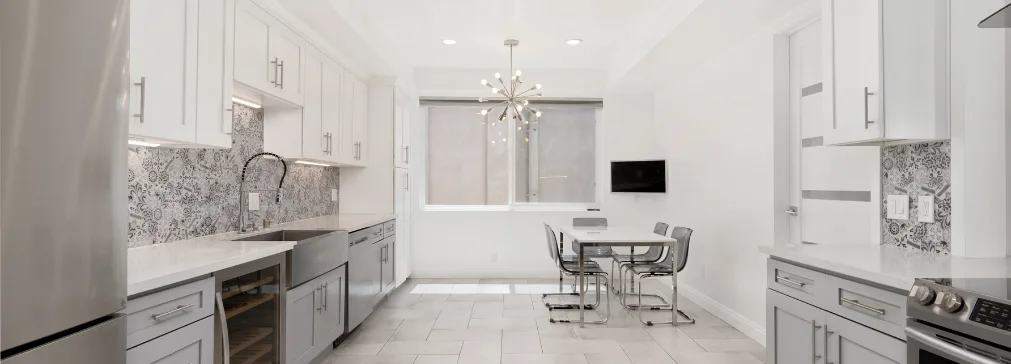
You can see how these principles translate into a real-world renovation in this Woodlands investor property transformation, where we reworked layouts, upgraded bathrooms and living spaces, and improved overall usability to create a safer, more functional long-term home.
If your plan starts with the highest-risk room first, read: Bathroom Remodeling for Aging-in-Place in The Woodlands.
Why Aging-in-Place Remodeling Matters
Most homes were built for able-bodied occupants—not for changing needs over time. Steps, narrow doorways, slippery surfaces, and poor lighting can quietly become major safety risks.
The National Institute on Aging explains that aging in place supports independence, well-being, and community connection—when the home environment is safe and supportive: National Institute on Aging: Aging in Place .
When planned early, aging-in-place remodeling can:
- Reduce fall risk
- Improve daily comfort and confidence at home
- Delay or avoid assisted living costs
- Make the home more usable for multi-generational living
- Increase long-term marketability
For fall-prevention basics and why it matters, see: CDC: Falls Prevention .
Exterior & Entryway Design
The entry is one of the most important safety zones—especially in The Woodlands where wet weather can make surfaces slick.
2026 best practices include:
- At least one no-step entry (or the ability to add one later)
- Covered entry for weather protection
- Bright lighting at the door lock (motion sensor is ideal)
- Non-slip flooring in the entry
- A landing space for packages while opening the door
Doorways should provide adequate clear width, and thresholds should be flush or gently beveled to reduce trip risk. For accessibility concepts and clearances, reference: U.S. Access Board (ADA Standards) .
Interior Layout & Traffic Flow
Single-Level Living
A strong aging-in-place plan aims for “single-level living” in 2026:
- Kitchen
- Living area
- Bedroom
- Full bathroom — all on the same level
Clear Movement Space
Design goals typically include:
- No steps between rooms on the same floor
- Wider hallways where possible
- Turning space in major rooms
- Smooth flooring transitions without height changes
These features support walkers, wheelchairs, and future mobility aids—without compromising aesthetics. If your home needs bigger layout changes to make this work, see: How Remodeling Companies Handle Full Home Renovations.
Kitchen Design for Aging-in-Place
The kitchen is a high-use and high-risk area. In 2026, the safest kitchens reduce bending, reaching, and carrying heavy items across long distances.
Recommended features include:
- Pull-out trays and organizers (reduces deep reaching)
- Lazy Susans and corner solutions
- Easy-grip hardware
- Clear landing space next to all appliances
- Good task lighting at sink, prep, and cook zones
Appliances should be simple to read and operate (front controls are typically safer).
If you’re upgrading cabinets as part of aging-in-place planning, you may also like: Kitchen Cabinet Durability in The Woodlands.
Bathroom Remodeling & Fall Prevention
Bathrooms are one of the highest-risk rooms for slips and falls.
The CDC highlights falls as a leading cause of injury among older adults: CDC: Falls .
Key aging-in-place bathroom features in 2026 include:
- Curbless or low-threshold showers
- Slip-resistant flooring
- Comfort-height toilets (common target range: 17–19 inches)
- Handheld, adjustable showerheads
- Shower seating (fold-down or built-in)
- Reinforced walls for present or future grab bars
Even if grab bars are not installed immediately, adding wall bracing during remodeling is a smart “2026-proof” move.
For a bathroom-first plan, read: Bathroom Remodeling for Aging-in-Place in The Woodlands and Bathroom Remodeling in The Woodlands.
Stairways, Ramps & Vertical Mobility
For multi-story homes, safety upgrades often include:
- Handrails on both sides of stairways
- High-contrast stair edges for visibility
- Proper lighting at every step
Forward-thinking 2026 designs may include:
- Planning future lift/elevator space where feasible
- Wider staircases (where layout allows)
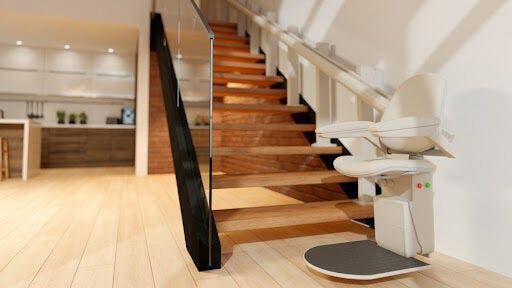
- Residential stair lifts for immediate usability
- Ramps with safe slope and proper landings where needed
Accessibility slope concepts are addressed in federal accessibility standards: U.S. Access Board (ADA Standards) .
Lighting, Electrical & Safety Systems
Good lighting dramatically improves safety—especially at night. In 2026, layered lighting is the goal: ambient + task + night lighting.
Best practices include:
- Light switches at every room entrance
- Rocker or touch switches (easier to operate)
- Consistent night lighting in halls and bathrooms
- Outlets placed for easy access where possible
- Visual and audible alerts for alarms and doorbells (when needed)
Smart home systems can integrate lighting, HVAC, and security into one accessible interface, reducing daily effort.
Flooring, HVAC & Energy Efficiency
Flooring
Ideal aging-in-place flooring is:
- Smooth (no trip lips)
- Non-glare
- Slip-resistant
- Easy to clean
Low-pile carpet can be used selectively with firm padding, but avoid thick transitions or loose edges.
HVAC & Air Quality
Key comfort features include:
- Easy-access filters
- Energy-efficient systems
- Good ventilation
- Windows that open without excessive force
If you’re improving comfort and efficiency at the same time, DOE guidance can help you prioritize: U.S. DOE: Air Sealing Your Home .
Final Thoughts
Aging-in-place remodeling is not about designing for “old age.” In 2026, it is about designing for real life—safely, comfortably, and with options for the future.
Homes designed with accessibility, safety, and flexibility in mind:
- Remain usable longer
- Reduce injury risk
- Support independence and dignity
- Stay attractive to a wider range of buyers
If you want a next step that’s simple: start with the bathroom and entry, then expand into lighting, flooring transitions, and kitchen usability. Use these next: Bathroom Aging-in-Place Guide and Full Home Renovation Planning.
When you are ready, explore our service options: interior remodeling services in The Woodlands, Texas and speak with a Woodlands remodeling contractor .
Want to talk through an aging-in-place plan for your home? Connect with Select Remodeling & Construction in The Woodlands .
Choosing the right contractor matters. Reach out to Remodeling contractors The Woodlands & nearby areas like Spring, Conroe, Tomball, and Magnolia.