

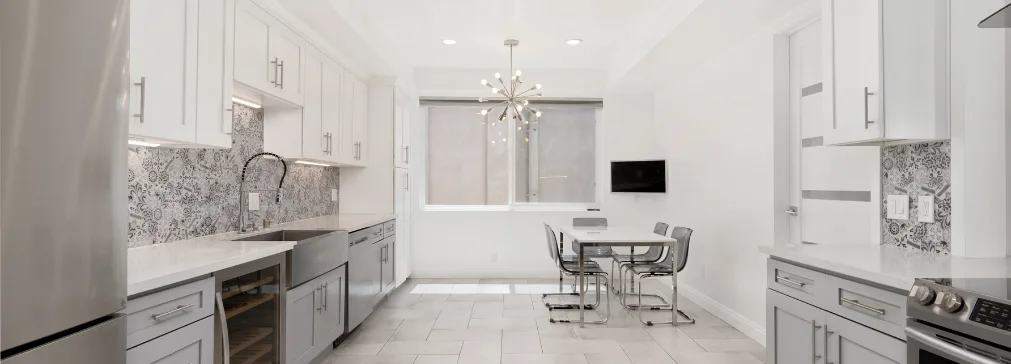
Introduction
Homeowners often need “more space,” but in 2026 the right solution depends on the purpose behind that space. Two options come up again and again in The Woodlands: Accessory Dwelling Units (ADUs) and home additions.
They can look similar from the outside, but they are not the same. An ADU is an independent living unit. A home addition expands the primary home’s footprint and becomes part of the main living area.
Understanding the difference helps you plan smarter—especially if your goals include multigenerational living, a private guest space, or long-term flexibility for your property in The Woodlands, TX. Learn more about planning and remodeling your home in The Woodlands here: Home Remodeling Services in The Woodlands.
When considering expanding your living space, you have two great options: accessory dwelling units (ADUs) and home additions. While ADUs offer more privacy and independence, home additions can seamlessly integrate with your existing layout. Explore the best option for your needs and learn how professional remodeling services can help: Home Remodeling Services.
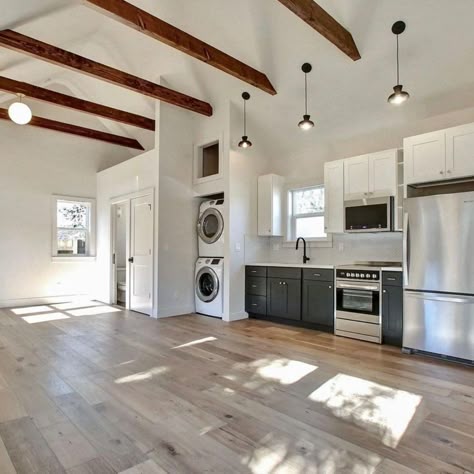
If your goal is expanding the main home’s livable space, start here: Home additions services in The Woodlands, Texas .
Want local feasibility guidance before you commit? Talk to a local team that understands Woodlands properties and permitting paths: remodeling contractors in The Woodlands, Texas .
For directions, reviews, and quick contact, view our Google Business Profile here: See our home addition & ADU reviews in The Woodlands on Google .
If you’re trying to map out timelines and approvals first, read: Permits & Zoning for Home Additions in Montgomery County and Home Addition Cost in The Woodlands, Conroe & Magnolia.
What Is an Accessory Dwelling Unit (ADU)?
An Accessory Dwelling Unit (ADU) is a secondary housing unit on the same lot as a primary single-family home, designed to function as a complete and independent living space. The key idea is independence: separate access and day-to-day living.
A practical reference that explains how ADUs are treated as distinct living units (and why compliance matters) is available through HUD User: Accessory Dwelling Units (HUD User PDF) .
Core ADU Characteristics (2026 homeowner-friendly checklist)
- Separate entrance (privacy and independence)
- Independent living components: sleeping area + bathroom + typically a kitchen/kitchenette
- May be detached (backyard cottage), attached (but separate), or a conversion (garage)
- Often more permitting-sensitive than standard additions (setbacks, access, placement, and use restrictions)
If financing or rental-income planning is part of your decision in 2026, HUD/FHA has issued guidance connected to ADU eligibility and rental income policies: FHA INFO 2023-89 (HUD PDF) .
Important distinction: even when an ADU is attached to the main structure, it should remain a separate housing unit and not simply a new room that expands the primary home’s square footage.
If your ADU idea is really “a private suite for aging parents,” compare that approach with: Aging-in-Place Remodeling Guide.
What Is a Home Addition?
A home addition expands the primary house by adding square footage to the existing structure—think expanding a kitchen, adding a new bedroom suite, enlarging a living room, or building a second story.
Core Home Addition Characteristics
- Integrated into the main home with shared circulation and use
- Increases the primary home’s total square footage
- Designed for a single household rather than a separate dwelling
- Still subject to permits, inspections, and code requirements
If your goal is better day-to-day livability—more kitchen space, a larger primary suite, a bigger mudroom, or a more functional layout—an addition is often the most direct path. Explore options here: Home additions services in The Woodlands, Texas .
If your next question is “How long does this take?”, read: How Long Does a Home Addition Take in Texas?.
Key Differences: ADUs vs Additions
Here’s the simplest way to think about it in 2026: An ADU creates a second living unit. A home addition expands the primary home.
1) Purpose & Use
- ADU: independent living for family, guests, caregivers, or a long-term flexibility strategy (sometimes including rental plans)
- Addition: expand lifestyle space for the main household (kitchen, living, bedroom suite, office)
2) Compliance & Permitting Complexity
- ADU: tends to involve more “unit-level” considerations (independent living components + privacy/access planning)
- Addition: typically reviewed as a primary-home expansion under standard residential permitting pathways
In The Woodlands area, permitting direction often starts with Montgomery County resources. Review the county’s official permitting pages here: Montgomery County Permit Office (Permitting) and Residential Permitting (Montgomery County) .
We also break this down in plain language here: Permits & Zoning for Home Additions in Montgomery County.
3) Utilities, Privacy & Sound
- ADU: requires stronger privacy planning, sound separation, and often more intentional kitchen/bath ventilation decisions
- Addition: extends the existing home systems for one household flow
4) Site & Flood Risk Reality (Woodlands-specific)
For either option, flood-risk awareness matters in our region. Check your property’s flood hazard information using FEMA’s official tools: FEMA Flood Map Service Center .
5) Investment Strategy
- ADU: flexibility + potential income strategy (where allowed and feasible)
- Addition: lifestyle upgrade + resale appeal through increased main-home functionality and square footage
Why NAHB Clearly Separates ADUs From Additions
In professional remodeling evaluation, clarity matters. ADUs and additions solve different problems and should be assessed differently. An ADU is not “just more space”—it’s an independent unit with its own living logic, privacy needs, and compliance constraints.
When projects are judged (or even marketed) using performance-minded criteria—purpose, functionality, craftsmanship, innovation, and cost/value clarity— ADUs typically require more documentation and more decision-making than a standard addition.
Bottom line: If a project functions as a second dwelling, call it an ADU. If it expands the main home, call it an addition. That clarity protects your permitting process, your budget, and your project outcomes in 2026.
If you’re still narrowing the “right project type” before you commit, read: How Remodeling Companies Handle Full Home Renovations.
Design Challenges Unique to ADUs
High-performing ADUs succeed because they solve constraints intelligently. Common challenges include:
- Maximizing livability in a smaller footprint (storage, light, layout efficiency)
- Privacy & sound separation between the main home and the ADU
- Independent entry experience that feels safe and intentional
- Kitchen ventilation and electrical loads (especially in conversions)
- Site planning: access paths, lighting, landscape boundaries, and utility routing
If your ADU plan includes energy comfort (a big issue in Texas heat/humidity), these official resources help guide air sealing and durability decisions: U.S. DOE: Air Sealing Your Home .
Pro tip: ADU success often comes down to “small-space design discipline”—clear circulation, multi-use zones, and natural light strategies.
When a Home Addition Is the Better Choice
A home addition is often the best solution when your goal is to improve the main household’s daily living—without creating a second unit.
Choose a Home Addition When:
- You need a larger kitchen, living room, primary suite, or dedicated home office
- You want seamless interior flow and one household layout
- Your site conditions or permitting path make an ADU harder to execute cleanly
- You prefer extending existing systems instead of designing unit-level independence
Additions typically shine when the biggest win is functionality—better traffic flow, better storage, better layout—and craftsmanship in finishing details. For practical “what to build” inspiration, see: Popular Home Addition Ideas for Growing Families.
A good real-world example of how a well-planned addition improves everyday living is this custom room addition project completed, where the homeowners expanded their main living space without creating a separate dwelling unit—focusing purely on better layout flow, usable square footage, and long-term comfort.
If your addition includes a bright flex space (like a sunroom), you may also like: Sunrooms in The Woodlands.
Which Option Is Better for Your Property?
The best choice depends on the purpose behind the project in 2026:
- If you need independent living or a future income strategy: an ADU is usually the right match (where feasible and allowed).
- If you need more space for the same household: a home addition is usually the better fit.
In The Woodlands and surrounding areas, the smartest next step is a feasibility conversation: site constraints, access, utility routing, and permit direction. Once feasibility is clear, design becomes easier—and budgets become far more predictable.
If you want cost ranges before you decide, start here: Home Addition Cost in The Woodlands, Conroe & Magnolia.
To discuss feasibility and options with a local team, start here: talk to a Woodlands remodeling contractor .
Final Thoughts
ADUs and home additions can both be excellent investments—but only when they’re planned for the right objective. An ADU creates a second living unit. A home addition expands the primary home.
If you’re exploring options in The Woodlands, TX in 2026, we can help you clarify feasibility, define scope, and plan a design that matches your goals—whether that’s family flexibility, long-term adaptability, or a better main-home layout.
Next, you may also find these planning guides helpful: Permits & Zoning for Home Additions, Home Addition Timeline, and Aging-in-Place Remodeling Guide.
If you’re comparing ADUs vs. home additions and want a local expert opinion for your property in The Woodlands, you can reach home additions experts in The Woodlands . When you’re ready to plan next steps, explore Home Additions Services in The Woodlands, Texas .
Choosing the right contractor matters. Reach out to Remodeling contractors The Woodlands & nearby areas like Spring, Conroe, Tomball, and Magnolia.